Diamond End Mill Cutting Tools About
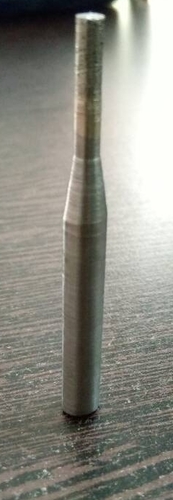
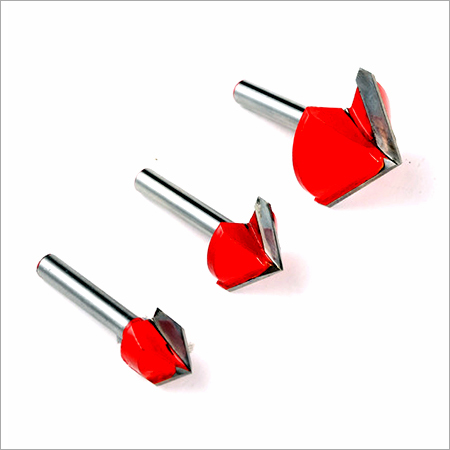
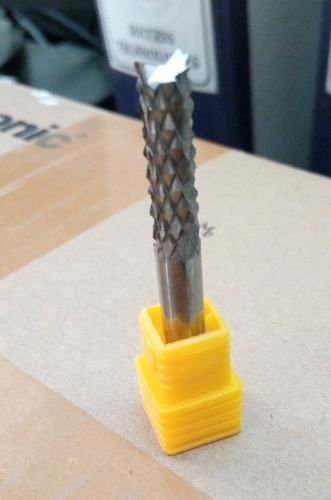
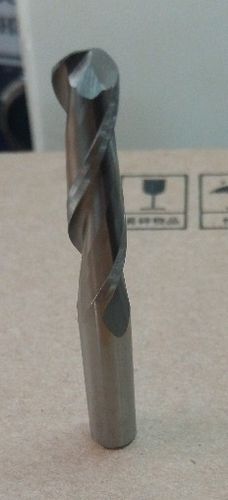
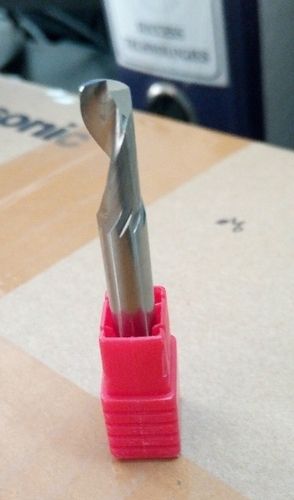
Diamond End Mill Cutting Tools are made up of high-quality alloy metal and then have a diamond coating over them. We are one of the best manufacturers, suppliers, exporters, and traders of the Diamond End Mill Cutting Tools. They have been manufactured by our skilled professionals to comply with the set industrial norms. These tools give perfect finish with smooth edges and possess high working speed. The operational life of diamond end cutting tools is much more as compared to conventional cutting tools. They are available in different specifications and models used for different purposes. For hard materials such as wood, iron, steel or aluminum they are best in the business.These tools are available in different specifications and models used for different purposes. They are the best tools to be used for hard materials such as wood, iron, steel or aluminum.
Features:
- Precisely designed for hard materials
- Optimum performance
- Sturdy construction
Precision Engineering for Demanding ApplicationsThese diamond end mills are crafted with an integrated diamond layer, making them ideal for high-precision work such as PCB and glass cutting, mold manufacturing, and machining hard materials. Their remarkable hardness and fine surface finish ensure consistent performance even in continuous operation.
Robust Design and Operating FlexibilityManufactured to strict tolerances (0.01 mm) and featuring a digital CNC control system, these tools provide reliable results across various industrial environments. Their compatibility with both air and water cooling systems, along with an operating temperature of up to 800C, enhances versatility.
Efficiency Meets LongevityUtilizing advanced diamond technology, these end mills minimize tool wear and maximize operational lifespan. The pack of 10 tools ensures readiness for large-scale projects, while low noise and electric drive contribute to a productive and comfortable workspace.
FAQs of Diamond End Mill Cutting Tools:
Q: How should the diamond end mill cutting tools be used for optimal surface finish?
A: For best results, use the diamond end mills with compatible CNC milling machines or high-speed routers, maintaining appropriate cutting speeds (50250 mm/min) and spindle speeds up to 40,000 RPM. Ensure proper cooling (air or water) and follow digital CNC controls for fine surface finish quality, achieving Ra 0.2m.
Q: What materials can be machined using these diamond end mills?
A: These tools excel at machining hard materials such as industrial PCBs, glass, molds, and other materials requiring high precision and wear resistance. Their superior hardness (up to 10,000 HV) permits efficient cutting of substrates that are challenging for conventional tools.
Q: When is it necessary to use cooling with these end mill tools?
A: Implement air or water cooling during continuous operation, high spindle speeds, or when working with materials that generate substantial heat. Cooling maintains tool performance, prolongs lifespan, and ensures consistent cutting quality, especially at operating temperatures up to 800C.
Q: Where can these diamond end mills be installed and operated?
A: These end mills are compatible with both CNC milling machines and high-speed routers found in industrial workshops, electronics manufacturing, and mold-making facilities. They are suited for environments where precise, automated, and high-volume machining occurs.
Q: What is the process for maintaining these diamond cutting tools?
A: Regularly inspect the tools for signs of wear or chipping, clean them after each use to remove residual debris, and store them in their pack of 10 to avoid damage. Using proper cooling and recommended spindle speeds also helps extend tool life.
Q: What benefits do these diamond end mills offer over traditional carbide or HSS end mills?
A: Diamond end mills provide exceptional hardness, superior wear resistance, longer tool life, and finer surface quality (Ra 0.2m) compared to traditional materials. They also enable quieter operation and highly precise cutting, making them advantageous for demanding manufacturing sectors.






 Send Inquiry

 Send Inquiry

 Send Inquiry
 Send SMS