CNC Multispindle Routers About
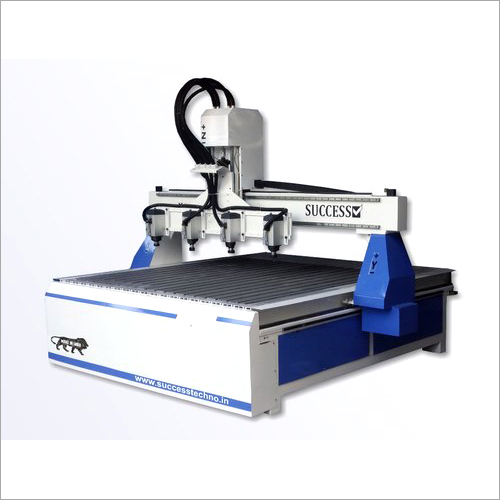
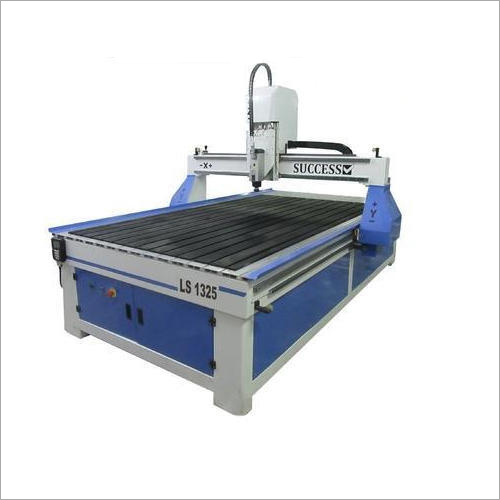
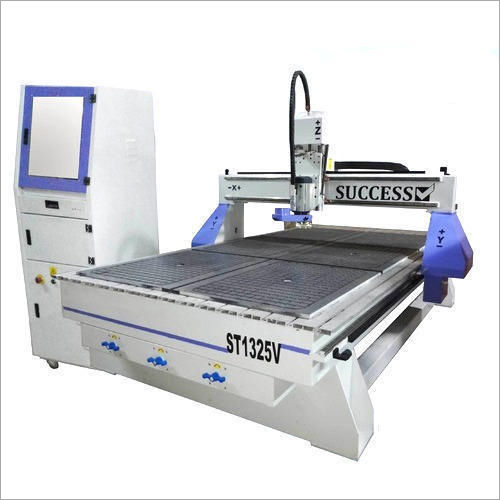
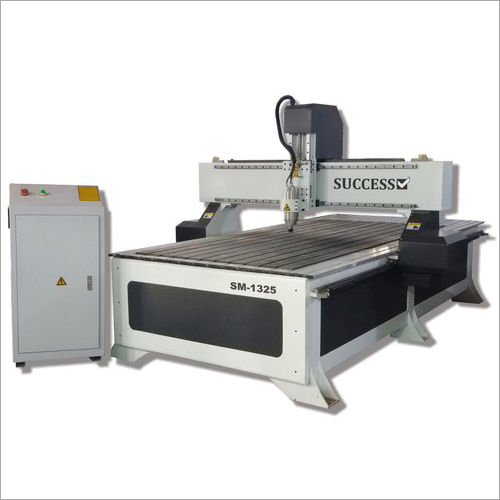
CNC multispindle routers are advanced woodworking machines equipped with multiple spindles that can simultaneously perform cutting, shaping, drilling, and routing operations on various materials such as wood, plastic, or composite materials. These machines utilize computer numerical control (CNC) technology to automate and control the movement of the spindles, resulting in precise and efficient machining processes. CNC multispindle routers are commonly used in industries such as furniture manufacturing, cabinetry, and woodworking shops for high-volume production and complex routing tasks.
Frequently Asked Questions (FAQ):
Q: What are the advantages of using a CNC multispindle router?
A: CNC multispindle routers offer several advantages over traditional routers. The multiple spindles allow for simultaneous machining operations, greatly reducing production time. The CNC control system ensures precise and consistent cuts, resulting in high-quality finished products. These machines are capable of handling complex and intricate designs, enabling the production of detailed patterns, engravings, and joinery. Additionally, CNC automation minimizes human error and increases productivity.
Q: What materials can be processed with a CNC multispindle router?
A: CNC multispindle routers can process a wide range of materials, including wood, plywood, MDF, plastics, composites, and even non-ferrous metals. The suitability of a specific material will depend on factors such as the machine's power, spindle speed, and the type of cutting tools used. It's important to select appropriate tooling and cutting parameters for optimal results.
Q: Can a CNC multispindle router handle different sizes and thicknesses of materials?
A: Yes, CNC multispindle routers are designed to accommodate various sizes and thicknesses of materials. The working area or bed size of the machine determines the maximum dimensions of the material that can be processed. Additionally, the machine's Z-axis travel determines the maximum thickness that can be routed or cut. It's important to choose a machine with a suitable working area and Z-axis travel to match your project requirements.
Q: Is programming a CNC multispindle router complex?
A: Programming a CNC multispindle router may require some initial learning and practice, especially for individuals new to CNC machining. However, modern CNC routers often come with user-friendly software interfaces that allow for easy creation and modification of cutting paths, tool paths, and other parameters. Basic knowledge of CAD/CAM software or specific machine control software will be beneficial in programming the machine. Training resources and tutorials are available to help users become proficient in CNC programming.
Seamless Production EfficiencyWith four independent 3.5 kW spindles, this router allows simultaneous multi-job processing or complex project handling, significantly boosting workshop productivity. Its robust heavy-duty welded steel frame provides stability for long-term, continuous operation, making it well-suited for high-volume manufacturers.
Versatile Material HandlingThe machines advanced vacuum and T-slot work table securely holds materials such as wood, MDF, acrylic, plastics, and soft metals. Its high marking and engraving speeds, plus a maximum cutting thickness of 80 mm, enable flexibility across various industries, from signage producers to custom furniture makers.
User-Friendly and Accurate OperationOperators benefit from intuitive DSP remote control, USB connectivity for swift data transfer, and compatibility with leading design software (ArtCAM, Type3, Ucancam). The 0.01 mm repeat positioning accuracy guarantees exceptional detail and consistency in finished products.
FAQs of CNC Multispindle Routers:
Q: How does the CNC multispindle router improve workflow for manufacturers?
A: The routers four independent spindles allow operators to perform multiple tasks or process several workpieces simultaneously. This not only accelerates production rates but also provides flexibility for complex jobs, resulting in higher throughput and reduced lead times for manufacturing workshops.
Q: What materials can be processed with this CNC router model?
A: This CNC router is suitable for processing a variety of materials including wood, MDF, acrylic, plastics, and soft metals like aluminum. Its robust design and adjustable work table support both delicate and heavy-duty applications, offering versatility for different industries.
Q: When is it beneficial to use the vacuum and T-slot combined work table?
A: The combined vacuum and T-slot work table is especially useful when precise positioning and secure clamping are required. For irregularly shaped materials or jobs that demand both high holding power and flexible fixture setups, this table structure ensures optimal stability and accuracy.
Q: Where can the CNC multispindle router be integrated in the manufacturing process?
A: This router can be seamlessly integrated at the cutting, engraving, or finishing stages of manufacturing, especially in woodshops, signage production units, and fabrication facilities. Its capabilities cater to both large-scale batch production and customized project executions.
Q: What is the software compatibility of the CNC multispindle router?
A: The router is compatible with popular CNC software such as ArtCAM, Type3, and Ucancam, providing users with a broad selection of design and toolpath programming options for precise and creative project execution.
Q: How does the automatic lubrication system benefit users?
A: The integrated automatic lubrication system ensures consistent maintenance of moving components, reducing wear and minimizing manual intervention. This feature extends machine lifespan and enhances operational reliability for continuous production schedules.
Q: What measures are integrated for dust collection and workplace cleanliness?
A: The machine includes dedicated dust collector ports that help maintain a clean working environment by efficiently collecting debris during operation. This not only increases safety but also protects internal components and preserves the quality of finished products.






 Send Inquiry

 Send Inquiry

 Send Inquiry
 Send SMS