About Co2 Metal- Non-Metal Laser Machine
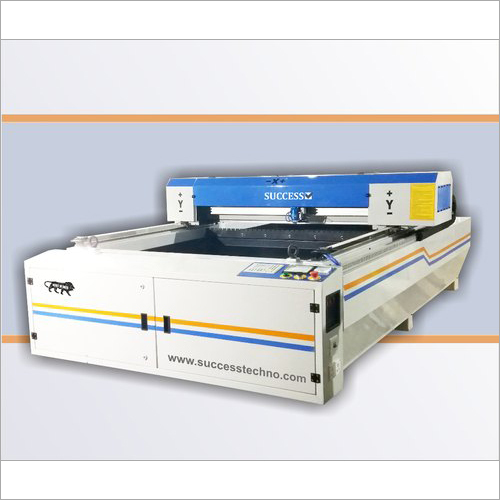
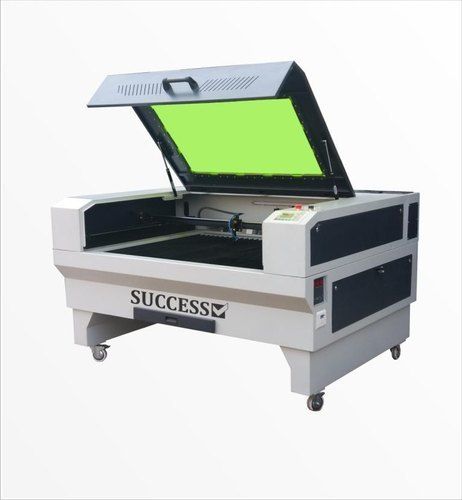
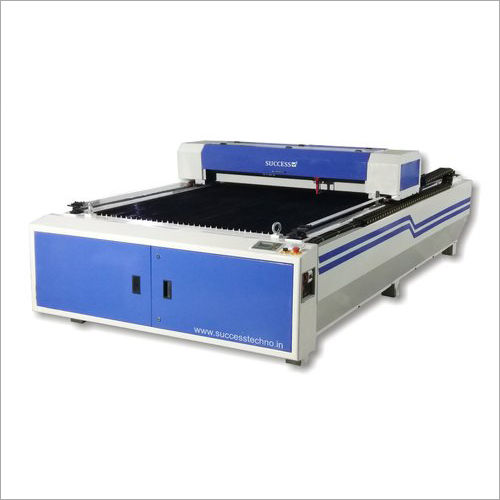
Co2 Metal- Non-Metal Laser Machine is a high performance machining unit that is commonly used for the machining of non-metallic work pieces. It is equipped with high performance electrical drives that make the machine to run at variable speeds with high precision and accuracy. It has a sturdy mid steel frame which provides high strength and rigidity to bear extreme loads and vibrations that are produced during machining operation.
Precise Engraving and Cutting CapabilitiesThis laser machine excels in detailed engraving and precise cutting across a variety of materials, including acrylic, wood, glass, plastic, and thin metals. With a maximum engraving depth of 20 mm (depending on the material) and cutting thickness up to 20 mm on acrylic, it is suitable for signage, decorative work, and industrial manufacturing. The combination of honeycomb and blade tables enhances versatility, allowing you to select the optimal working surface for your specific application.
Advanced Software and User InterfaceIt supports a broad range of file formats, such as AI, DXF, PLT, BMP, JPG, and more. Seamless integration with leading softwareincluding CorelDRAW, AutoCAD, Photoshop, and LaserCutmeans fast design-to-production workflow. The intuitive LCD display, USB, and network connectivity ensure ease of operation and file transfer. This machine streamlines production, saving time while maintaining accuracy and customization flexibility.
Optimal Safety and Operating EfficiencySafety is prioritized with multiple protection systems, including an emergency stop button and laser safety interlock. The built-in exhaust fan and air assist, along with water cooling, keep the workspace clean and the machine components at peak performance. Optional upgrades, such as a rotary device or upgraded laser tube, expand your processing capabilities, making it ideal for a range of manufacturing environments.
FAQs of Co2 Metal- Non-Metal Laser Machine:
Q: How does the CO2 Metal-Non-Metal Laser Machine handle different material types?
A: This machine is engineered to cut and engrave both non-metals like acrylic, wood, glass, and plastic, as well as thin metals such as carbon steel and stainless steel (up to 2 mm thickness). Switching between the honeycomb and blade table types allows for optimal support based on material rigidity and processing needs, providing high-quality results for various applications.
Q: What file formats and software are compatible with the machine?
A: The machine seamlessly supports multiple file formats, including AI, DXF, PLT, BMP, JPG, TIF, PNG, DST, and DSB. It also integrates effortlessly with design software like CorelDRAW, AutoCAD, Photoshop, and LaserCut, enabling designers and operators to import and process complex designs with ease.
Q: When should I use the manual focusing mode versus the automatic focusing mode?
A: Manual focusing is beneficial for specialized or complex materials where you require precise depth control based on visual inspection. Automatic focusing streamlines routine operations, maintains consistent quality, and reduces setup time, making it ideal for standard materials and high-volume production environments.
Q: Where can this laser machine be installed for optimal performance?
A: Install this machine in a well-ventilated, dust-free industrial workspace with easy access to power supply (AC 220V/50Hz) and water cooling. Operating temperatures should be maintained between 0C and 45C to ensure efficient laser operation and prolong component life. Proper placement also facilitates effective exhaust and air assist functioning.
Q: What is the process for routine maintenance of the machine?
A: Regular maintenance includes cleaning the lens and mirrors, checking the water cooling system, inspecting exhaust fans and air assist ducts, and verifying the alignment of the laser path. Additionally, keep the working area free from debris and periodically monitor software updates and system diagnostics via the DSP control panel.
Q: How do optional upgrades enhance the machines functionality?
A: Upgrades such as a rotary device enable cylindrical object processing, while an upgraded laser tube and servo motor provide higher power, stability, and precision. These enhancements expand the range of possible applicationssuch as engraving glasses or bottlesand improve overall productivity and versatility for custom manufacturing jobs.
Q: What are the key benefits of using this CO2 laser for production?
A: Key benefits include fast and precise cutting/engraving, wide material compatibility, excellent durability, and consistent accuracy (0.01 mm). The built-in safety features, robust construction, user-friendly interface, and compatibility with industry-standard software collectively make it a reliable asset for industrial manufacturers, sign makers, and fabricators across India.






 Send Inquiry

 Send Inquiry

 Send Inquiry
 Send SMS